LASIK is one of the most successful elective procedures in modern medicine — with over 96% of patients achieving 20/20 vision or better. But not everyone is an ideal candidate. Understanding what makes someone a good fit is the first step toward life without glasses or contacts.
What LASIK Actually Does
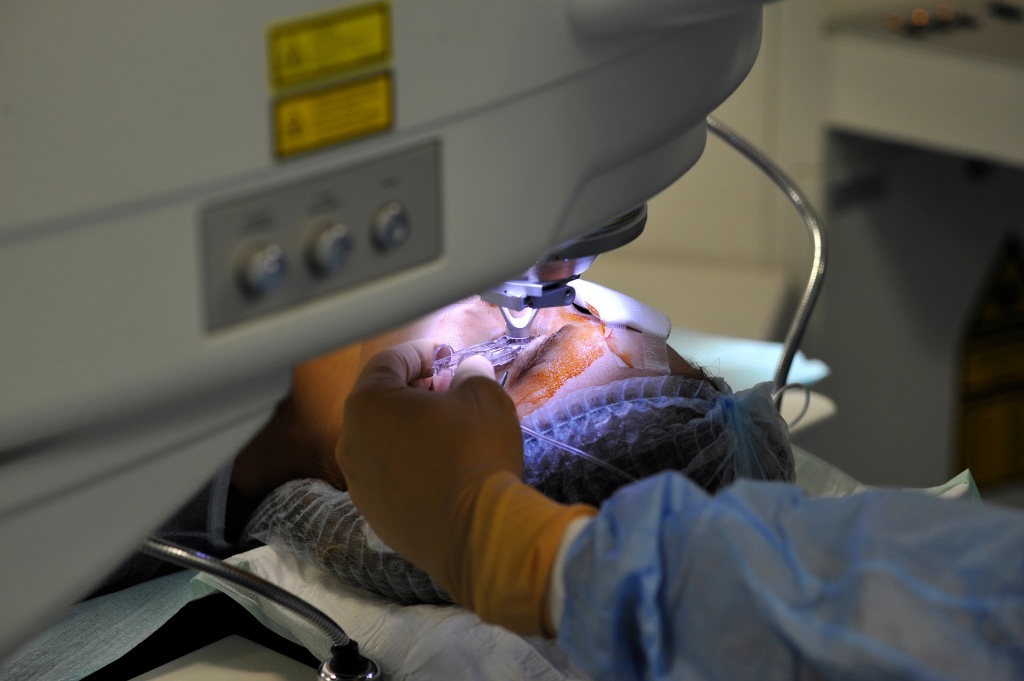
LASIK — short for Laser-Assisted In Situ Keratomileusis — permanently reshapes the cornea, the clear front surface of your eye. By precisely removing microscopic amounts of corneal tissue with an excimer laser, the procedure corrects how light focuses on the retina. The result: clear, sharp vision without the need for corrective lenses.
At Rayner Eye Clinic, we use all-laser, blade-free LASIK technology combined with detailed 3D corneal mapping to customize every procedure to the individual patient. No two eyes are exactly alike — and your treatment plan shouldn't be either.
The Most Important Factor: Stable Vision
Before anything else, your prescription needs to be stable. If your vision is still changing — which is common in your late teens and early twenties — LASIK would be correcting a moving target. We generally look for at least one full year without a meaningful change in prescription before recommending surgery.
This is why most LASIK candidates are between the ages of 20 and 45. Younger patients may still be developing, and older patients may benefit more from a procedure like Refractive Lens Exchange, which also addresses presbyopia (the gradual loss of near focus that typically begins in your mid-40s).
Signs You May Be a Good Candidate
- Age 18 or older with a stable prescription for at least one year
- Nearsightedness, farsightedness, or astigmatism within treatable ranges
- Corneas of sufficient thickness and healthy shape
- No significant dry eye disease
- No active eye disease or uncontrolled systemic conditions affecting healing
- Realistic expectations about outcomes
Factors That May Rule Out LASIK
- Prescription that is still changing year to year
- Very thin or irregularly shaped corneas (keratoconus)
- Severe dry eye syndrome
- Active autoimmune or connective tissue disorders
- Pregnancy or nursing (hormones temporarily alter prescription)
- Certain corneal diseases or previous eye injuries
Corneal Health and Thickness
Your cornea needs to be both thick enough and shaped correctly to safely undergo laser reshaping. If corneas are too thin, removing tissue could compromise their structural integrity. This is where conditions like keratoconus — an abnormal thinning and bulging of the cornea — would disqualify a patient from LASIK specifically.
The good news: patients with thinner corneas often have an excellent alternative in PRK (Photorefractive Keratectomy), which corrects vision without creating a flap. During your consultation at Rayner, we use advanced corneal mapping to determine which procedure is best suited to your anatomy.
Dry Eye: A Key Consideration
LASIK can temporarily reduce corneal sensation, which may worsen dry eye symptoms in the months following surgery. For patients with mild dry eye, this is often manageable with lubricating drops and supportive care. For those with moderate to severe dry eye disease, the procedure may not be recommended — or may need to be deferred until the condition is better controlled.
During your pre-operative evaluation, we assess tear production, tear quality, and corneal surface health. If dry eye is identified, we'll work with you on a treatment plan before revisiting your candidacy.
What Happens at a LASIK Consultation
The only definitive way to know if LASIK is right for you is a comprehensive pre-operative examination. At Rayner Eye Clinic, this evaluation includes:
- 1Corneal topography (detailed 3D mapping of corneal shape and thickness)
- 2Pupil size measurement in dim light conditions
- 3Dry eye evaluation and tear film analysis
- 4Refraction measurement to confirm your current prescription
- 5Full dilated eye health examination
- 6Review of your medical history and medications
This thorough process takes approximately 1–2 hours and gives our surgeons everything they need to determine whether LASIK — or another vision correction option — is the right path for you.
What If LASIK Isn't Right for Me?
Being told you're not a LASIK candidate doesn't mean you're out of options. Rayner Eye Clinic offers a full spectrum of vision correction procedures. Patients with thin corneas often qualify for PRK. Patients over 45 with presbyopia frequently achieve outstanding results with Refractive Lens Exchange. And for qualifying patients, other advanced options may be available.
Our goal is not to perform LASIK — our goal is to help you see as well as possible, with the safest, most appropriate procedure for your eyes. We never compromise candidacy standards to fit a patient into a surgery.
"The consultation is where we do the work. By the time a patient is in the laser suite, we know their eyes inside and out. That preparation is what separates excellent outcomes from good ones."
— Dr. Thomas M. Tann III, M.D.
Ready to Find Out If You're a Candidate?
Take our free 3-minute LASIK quiz for an initial read on your candidacy, or schedule a comprehensive consultation with our team at Rayner Eye Clinic.